
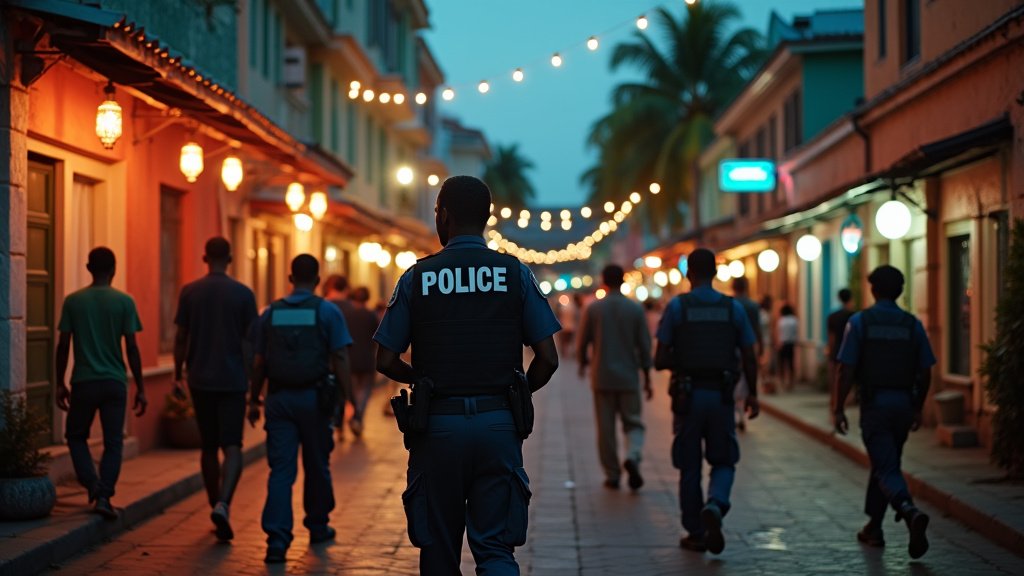
Kingston, Jamaica – Jamaica is celebrating a monumental achievement, with the year 2025 marking a significant drop in crime and a notable step forward in Jamaica Crime Reduction. The murder rate has reached its lowest point in over three decades, representing a major milestone for the island nation and offering a beacon of hope for improved public safety in Jamaica.
Historic Lows Recorded in Jamaica Crime Reduction Efforts
Jamaica is on track to record fewer than 700 murders this year, a historic figure and the first time in over 30 years, and specifically in 28 years, that the island will have fewer than 1,000 murders. This represents a major success in Jamaica Crime Reduction and is a stark contrast to past years. For example, weekly murder counts stayed below 15 for 14 consecutive weeks, a streak that began in March 2025 and is the longest such period in 25 years. Officials report a murder rate around 24 per 100,000 population, the lowest rate since 1991. In fact, many Jamaicans under 34 are now living safer lives, having never experienced such low crime figures. This news highlights a pivotal shift, signaling a new era for public safety in Jamaica.
Strategic Investments Drive Success in Jamaica Crime Reduction
The substantial crime reduction is not accidental; it stems from years of strategic planning and significant government investments focused on national security. The JLP administration has spent heavily, with investments between 2016 and 2025 exceeding $87 billion (other reports cite over $90 billion over nine years). These funds bolstered key areas, strengthening personnel, equipment, and infrastructure. This comprehensive approach is key and is often referred to as Plan Secure Jamaica, a core component of the overall Jamaica Crime Reduction strategy.
Enhanced Security Forces for Jamaica Crime Reduction
More officers are now on the streets. The Jamaica Constabulary Force (JCF) grew significantly, expanding from under 11,000 to over 14,000 officers. Thousands of new recruits received training, increasing human capital to improve visibility and community engagement. Furthermore, technology plays a vital role in Jamaica Crime Reduction. The JamaicaEye CCTV network expanded, police stations received modernization, and electronic record-keeping replaced paper logs. Officers can now share information faster using modern tools like portable data radios. High-tech equipment worth millions was distributed, better equipping officers and aiding in responding to complex crimes. Intelligence-led operations are now standard, a data-driven approach that targets criminals effectively as part of the broader Jamaica Crime Reduction efforts.
A Troubling Counter-Trend Amidst Jamaica Crime Reduction
Despite the overall crime drop, a concern is growing: police fatal shootings have increased. Between January and April 2025, 111 civilians died, a 152% rise from the previous year. Reports indicate a 138% increase in the first 119 days of 2025. In fact, deaths during planned police operations are alarming; by July 2025, 97 people died in these operations, over half of all fatal incidents for that period, a stark increase from previous years. Consequently, calls for accountability are louder. Groups like Jamaicans for Justice (JFJ) demand reform and advocate for body-worn cameras, a call echoed by the Independent Commission of Investigations (Indecom). These devices could clarify events and ensure better accountability, which is a crucial aspect of ongoing Jamaica Crime Reduction initiatives.
Maintaining Momentum for Jamaica Crime Reduction
Officials credit the success to combined efforts. Police Commissioner Dr. Kevin Blake praised the JCF and the Jamaica Defence Force for their vital planning and execution. Minister of National Security Dr. Horace Chang highlighted government commitment, and Prime Minister Andrew Holness emphasized citizen support, noting that security is a shared responsibility. The downward trend offers hope, but officials acknowledge challenges remain. Seven hundred murders are still too many, and unrelenting anti-crime drives must continue. Changing behaviors and attitudes is also crucial to sustain this positive news and ensure lasting peace and security. This progress sets a new benchmark for future Jamaica Crime Reduction.