
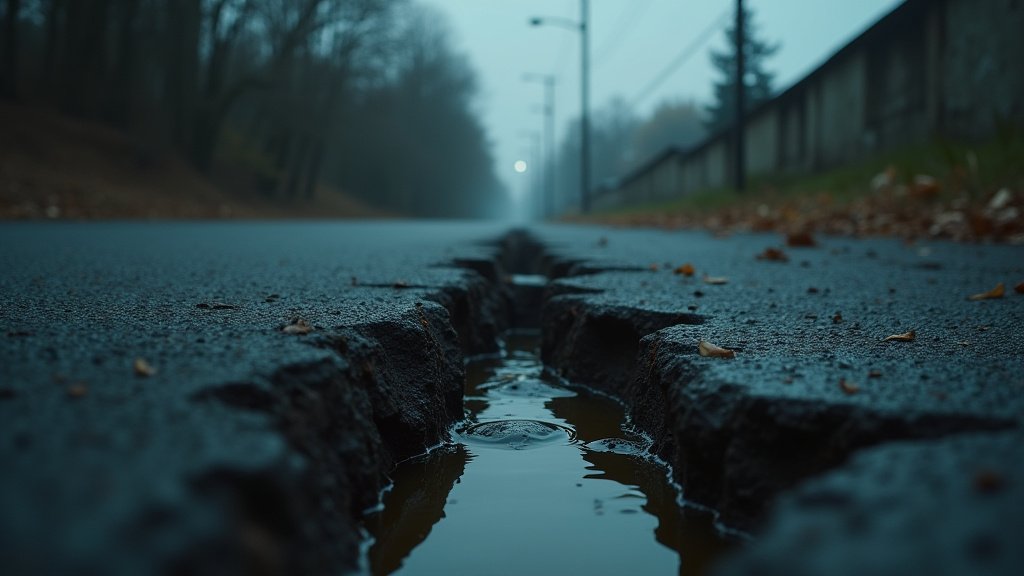
Residents of Whitehall are facing an escalating crisis, with raw sewage inundating streets, roads crumbling, and prolonged periods of darkness plunging the community into despair. Decades of alleged neglect have pushed the community to its breaking point, sparking urgent calls for immediate intervention from local authorities.
Key Highlights:
- Raw sewage is a persistent problem, creating unsanitary conditions.
- Significant road damage is making travel hazardous.
- Frequent power outages have left the community in darkness.
- Residents are expressing extreme frustration over perceived inaction.
- Calls for urgent government intervention are mounting.
Plight of Whitehall: A Community Under Siege
The once-familiar streets of Whitehall have transformed into a landscape of neglect, characterized by the pervasive stench of raw sewage and hazardous, broken roads. For weeks, residents have navigated treacherous conditions, with sewage spills becoming a recurring and unacceptable norm. This environmental hazard not only poses a significant public health risk but also diminishes the quality of life for everyone in the area. Adding to the daily struggle are the deteriorating road conditions, riddled with potholes and cracks that threaten vehicle safety and contribute to a general sense of decay. The situation is further exacerbated by intermittent yet prolonged power outages, plunging homes and public spaces into darkness and disrupting essential services and daily routines. This confluence of issues has cultivated a deep-seated frustration among Whitehall’s inhabitants, who feel abandoned and ignored by those responsible for their welfare.
The Growing Burden of Neglect
The current predicament in Whitehall is not an overnight development but rather the culmination of years of deferred maintenance and insufficient infrastructure investment. Residents report a consistent pattern of unaddressed complaints and broken promises from local councils and utility providers. The raw sewage issue, in particular, points to potential failures in the municipal drainage and sewage systems, which require regular inspection, maintenance, and upgrades. The state of the roads suggests a similar neglect of basic civil engineering upkeep, where minor repairs have been overlooked, leading to more extensive and costly damage over time. The frequent power disruptions could stem from an aging electrical grid or inadequate capacity to meet the community’s demands, further highlighting a systemic failure to invest in essential public utilities.
Voices from the Community
Conversations with Whitehall residents reveal a palpable sense of desperation and a growing distrust in official channels. “We pay our taxes, and we deserve basic services,” lamented Sarah Jenkins, a long-time resident. “It feels like we’ve been forgotten. The smell of sewage is constant, and driving through the neighborhood is like navigating an obstacle course. We need more than just promises; we need action.”
Another resident, Mark Davies, who has lived in Whitehall for over two decades, shared his concerns about the impact on his family. “The power cuts are the worst. My children can’t study, and we worry about food in the fridge. Combined with the sewage and broken roads, it’s an unbearable living situation. We’ve contacted the council multiple times, but nothing seems to change.”
Calls for Accountability and Immediate Solutions
Community leaders and activists are now amplifying these concerns, demanding a comprehensive review of Whitehall’s infrastructure and a clear action plan from the relevant authorities. They are urging for transparency regarding the allocated budgets for infrastructure maintenance and repair and are requesting a timeline for the resolution of the current crises. The demand is not merely for temporary fixes but for sustainable solutions that address the root causes of these persistent problems and prevent their recurrence. The situation in Whitehall serves as a stark reminder of the critical importance of proactive infrastructure management and responsive governance.
FAQ: People Also Ask
What are the primary health risks associated with raw sewage in residential areas?
Exposure to raw sewage can lead to a range of health issues, including gastrointestinal illnesses like cholera and E. coli infections, skin infections, respiratory problems, and allergic reactions. The contamination of water sources and soil can also have long-term environmental and health impacts.
How often should roads and sewage systems be inspected and maintained?
The frequency of inspection and maintenance varies depending on the type of infrastructure, its age, and environmental factors. However, regular, proactive inspections are crucial. For sewage systems, this might involve CCTV surveys to detect blockages or damage, while roads typically require annual or bi-annual assessments to identify and repair wear and tear before it becomes severe.
What can residents do if their local authorities are not addressing infrastructure issues?
Residents can escalate their concerns by lodging formal complaints with the local council or relevant government departments. They can also organize community groups, engage with local media to raise public awareness, and contact their elected representatives to lobby for action. Petitions and peaceful protests can also be effective in drawing attention to persistent problems.
What are the long-term economic impacts of neglected infrastructure?
Neglected infrastructure can lead to significant economic consequences. These include increased costs for emergency repairs, reduced property values, a decline in local business activity due to poor accessibility and quality of life, and potential loss of investment in the area. It can also lead to higher costs for residents in terms of vehicle repairs and potential health expenses.