
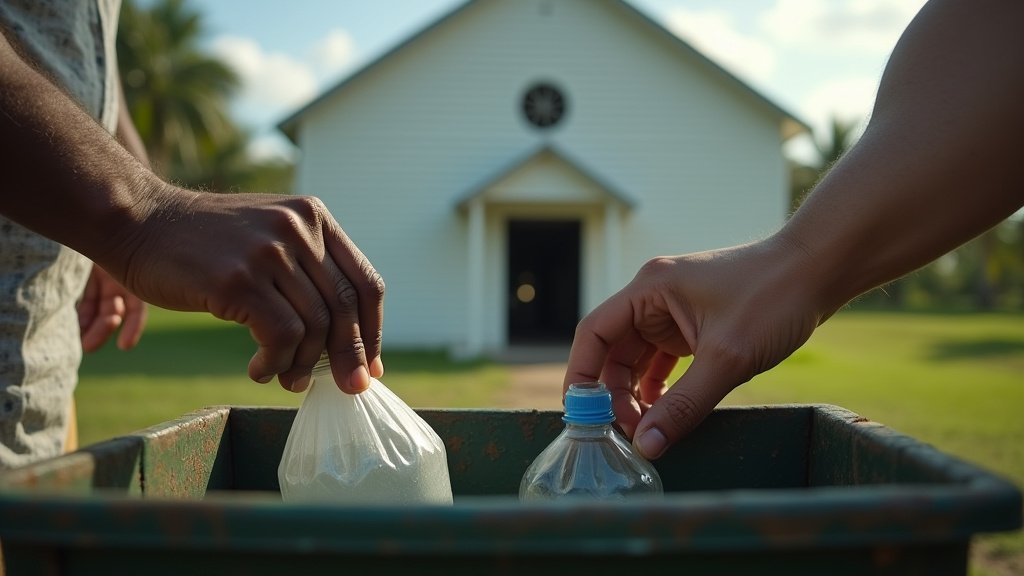
The National Solid Waste Management Authority (NSWMA) has officially announced a new, strategic collaboration with churches across Jamaica, marking a decisive shift in its approach to the nation’s ongoing struggle with solid waste management. By engaging the faith community, the NSWMA aims to transform public perception of waste disposal, moving the conversation beyond mere regulatory enforcement to address what officials describe as a deeply ingrained “culture of neglect” currently plaguing the island’s communities.
Executive Director of the NSWMA, Audley Gordon, unveiled the initiative during a community clean-up event at the Middle Quarters New Testament Church of God in St. Elizabeth. This partnership is not merely logistical; it is deeply symbolic, aiming to pair the logistical muscle of the government with the spiritual influence of local congregations to foster a cleaner, more responsible national landscape.
Key Highlights
- Strategic Alliance: NSWMA is integrating local churches into its outreach network to disseminate proper garbage management practices.
- Behavioral Shift: The partnership aims to address the “culture of neglect” by framing environmental stewardship as a moral and spiritual responsibility.
- Influencer Leverage: Leveraging the vast membership and respected voices of church leaders to normalize waste separation and responsible disposal.
- Community-Led Action: The initiative was launched during a “Community Church Clean-Up and Restoration Initiative,” serving as a blueprint for nationwide scaling.
A Spiritual Approach to Environmental Governance
The decision to partner with churches represents a calculated, socio-technical strategy by the NSWMA. Recognizing that regulatory measures, fines, and traditional public awareness campaigns have only yielded partial success, the Authority is tapping into the social fabric of Jamaica. The church, historically one of the most stable and influential institutions in the country, provides a unique platform for behavioral change that the state apparatus often lacks.
The Intersection of Morality and Maintenance
During his address, Executive Director Audley Gordon made a compelling argument that connects the spiritual concept of “cleanliness is next to godliness” with the tangible reality of modern sanitation. By positioning waste disposal as a reflection of communal health and spiritual discipline, the NSWMA is effectively re-branding waste management. It is no longer just a task for the government; it is a civic duty and a moral imperative for the individual citizen. This framing is designed to reduce the prevalence of casual littering, such as discarding food boxes and plastics on roadways—a practice that remains a significant burden on the island’s sanitation infrastructure.
Beyond Enforcement: The Sociology of Waste
The challenges facing the NSWMA are as much sociological as they are technical. Illegal dumping is often normalized in communities where access to collection services might be irregular or where the immediate convenience of disposing of waste outweighs the perceived long-term environmental cost. By utilizing the church as a medium, the NSWMA is attempting to shift the perception of waste from a “state problem” to a “community problem.” The church’s ability to mobilize its membership for collective action, such as the restoration initiative in St. Elizabeth, creates a feedback loop of accountability. When a congregation adopts a community space, the pressure to maintain that space becomes peer-driven rather than externally imposed by authorities.
Operationalizing the Faith-Based Network
The partnership is expected to involve more than just pulpit messaging. While church leaders are undeniably powerful influencers, the NSWMA intends to integrate these institutions into its broader logistical planning. This includes potential training for church-led community groups on waste separation, composting techniques, and the proper utilization of the NSWMA’s collection schedules. This infrastructure-level partnership allows the NSWMA to effectively “outsource” education to a trusted layer of local leadership, ensuring that information reaches residents even in deep rural areas where traditional government messaging may struggle to penetrate.
Economic and Environmental Implications
The economic impact of this partnership could be substantial. The cost of manual labor to clear illegally dumped refuse, repair infrastructure damaged by blocked drains (often caused by improperly discarded plastics), and manage landfill overflow is a significant strain on the national budget. By fostering a culture of pre-emptive waste reduction and responsible disposal at the community level, the NSWMA hopes to decrease the frequency of expensive cleanup operations. This aligns with global trends in circular economy principles, where community-level intervention is recognized as a primary defense against the ballooning costs of post-consumer waste management.
Scaling the Initiative
If successful, the collaboration with the church could serve as a template for other state agencies looking to engage with the public. The NSWMA is already evaluating the potential to expand this model to include other community stakeholders, such as civic groups and local NGOs, creating a multi-layered, community-backed enforcement network. The “Pass the Broom” campaign, launched previously by the NSWMA, established the precedent for this civic pride approach, but the partnership with the church adds a deeper layer of sustainability and institutional commitment.
The Future of Jamaican Waste Infrastructure
Looking ahead, the long-term success of this initiative will hinge on the NSWMA’s ability to maintain its end of the bargain. If communities are encouraged to keep their areas clean, the Authority must ensure that its collection services are reliable and responsive. The church-NSWMA dynamic creates a mutual accountability framework: the church encourages the community to participate, and the NSWMA is held accountable to provide the service infrastructure that makes that participation meaningful.
FAQ: People Also Ask
What is the primary objective of the NSWMA’s new partnership with the church?
The primary objective is to drive a cultural behavioral shift in how Jamaicans dispose of solid waste by leveraging the influence of church leaders to instill the importance of cleanliness as a moral and civic responsibility, thereby reducing illegal dumping.
Why did the NSWMA choose to partner with religious organizations?
The NSWMA identified the church as the most effective network for reaching wide swaths of the population. Church leaders possess high levels of credibility and community influence, making them ideal partners to disseminate education on waste management and foster civic pride.
How does this initiative fit into the wider NSWMA strategy?
This partnership is part of the NSWMA’s broader effort to transition from purely reactive enforcement—such as fining litterers—to proactive community engagement, similar to their “Pass the Broom” initiative, to reduce the operational strain on the national waste management system.
Can other community groups expect similar partnerships?
The NSWMA has expressed a desire to work with a broad network of people. While the church is currently the focus, the authority is increasingly looking towards NGOs, civil society groups, and schools to strengthen community-led waste management practices.