
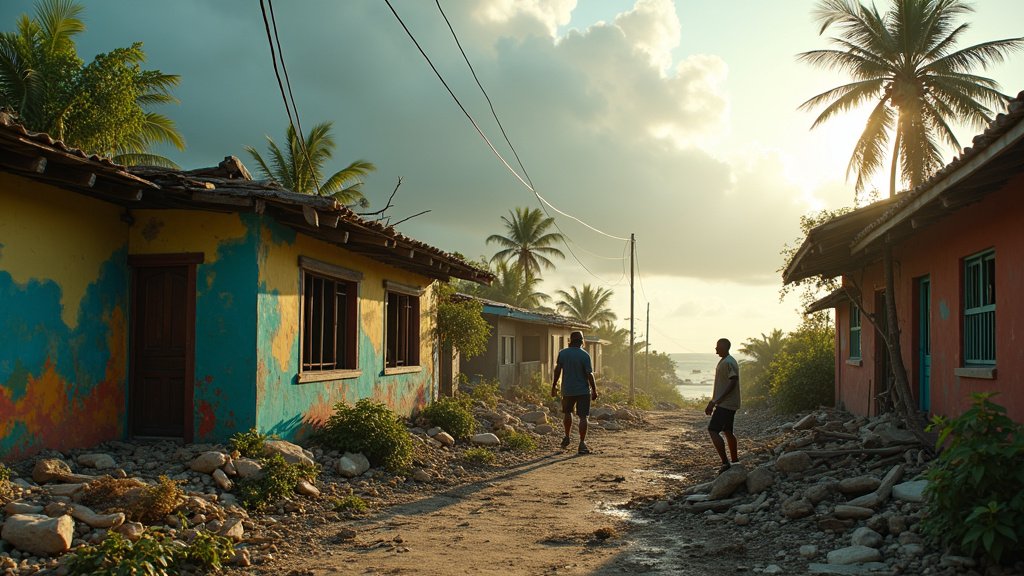
Jamaica’s Economy Faces Extended Recovery After Hurricane Melissa
Jamaica’s economy faces a prolonged recovery from Hurricane Melissa. The storm hit in late October 2025. It was the most powerful hurricane to ever strike the island. The Bank of Jamaica (BOJ) now expects recovery to take three to four years. This is longer than the initial two to three-year forecast. The hurricane inflicted lasting damage. It impacted capital, labor, and productivity.
Economic Devastation After Melissa
Hurricane Melissa caused immense physical damage. The World Bank and IDB estimate this damage at US$8.8 billion. This figure equals 41 percent of Jamaica’s 2024 GDP. This makes it the costliest hurricane in Jamaica’s history. Residential buildings suffered 41 percent of the damage. Infrastructure damage accounted for 33 percent. The agriculture sector saw 5 percent in physical damage but faces significant economic losses. Prime Minister Andrew Holness stated that damage was equivalent to 28 to 32 percent of the previous year’s GDP. Short-term economic output could decline by 8 to 13 percent.
Tourism and Travel Sector Struggles
Jamaica’s vital tourism sector was hit hard. Melissa forced 43 percent of the island’s hotel room stock to close. This led to falling tourism earnings and job losses. Major hotel chains like Hyatt and Iberostar face delayed reopening dates. Full recovery of hotel room stock is not expected until the December 2026 quarter. Some smaller properties, less affected, have reopened. The tourism industry is a major foreign exchange earner for Jamaica. This sector contributes about 30 percent of Jamaica’s GDP. The travel season was significantly impacted. The minister of tourism, Edmund Bartlett, expects about 80 percent of travel to return by early 2026. Full recovery of room inventory is projected by the end of 2026.
Agricultural and Food Price Impacts
The agriculture sector sustained substantial damage. Preliminary assessments show losses exceeding $180 million. Major crops like vegetables, bananas, and tubers were destroyed. Animal and fisheries also suffered losses. Prolonged supply disruptions continue to affect agriculture. This is pushing food prices higher. It also constrains domestic output. The seven hardest-hit parishes account for 74 percent of Jamaica’s agricultural output. Vegetable prices have started to decline following sharp increases after the hurricane. This is due to farmers resuming planting and receiving support. However, food shortages remain a concern.
Labor Market and Supply Chain Disruptions
The hurricane caused significant job losses in the tourism sector. Policymakers noted downside risks to the domestic labor market. Several hotels announced layoffs after the storm. Supply chains faced prolonged disruptions. This affected agriculture and constrained domestic output. Reconstruction efforts also face financing and distribution challenges. The Bank of Jamaica and the Jamaica Bankers Association worked to restore banking services. Physical damage, staff displacement, and power outages created hurdles.
Inflation and Economic Outlook
The macroeconomic environment has been severely impacted. Key indicators are expected to deteriorate. The economy is projected to contract significantly. Inflation is expected to rise. This reflects the hurricane’s impact on food-producing parishes. It also includes second-round effects on other goods and services. Headline inflation is projected to stay above the target range through much of 2026. This is due to increased agricultural inflation and supply chain disruptions. The central bank maintained its policy rate at 5.75 percent. This decision balances inflation control with economic recovery needs. The BOJ injected billions of Jamaican dollars to steady the economy. They also released US dollars. The BOJ intervenes in the foreign exchange market to stabilize the Jamaican dollar. Reconstruction efforts increase demand for imports. Insurance claims also require foreign currency.
Rebuilding and Future Prospects
Jamaica is now in the reconstruction phase. The government activated emergency procurement for relief and repair. This includes road repair, housing, and supplies. International support is crucial for rebuilding. The IMF, IDB, and World Bank committed billions for recovery. Despite the challenges, the spirit of resilience is evident. Tourism workers played a key role in the recovery. They ensured operations resumed for the winter tourist season. Many areas escaped major damage and reopened quickly. Major attractions like Dunn’s River Falls are back in operation. The news offers a testament to the nation’s strength. It shows the determination to rebuild and restore opportunities. Jamaica is actively working towards a full recovery. The tour industry is a cornerstone of this rebuilding effort.