
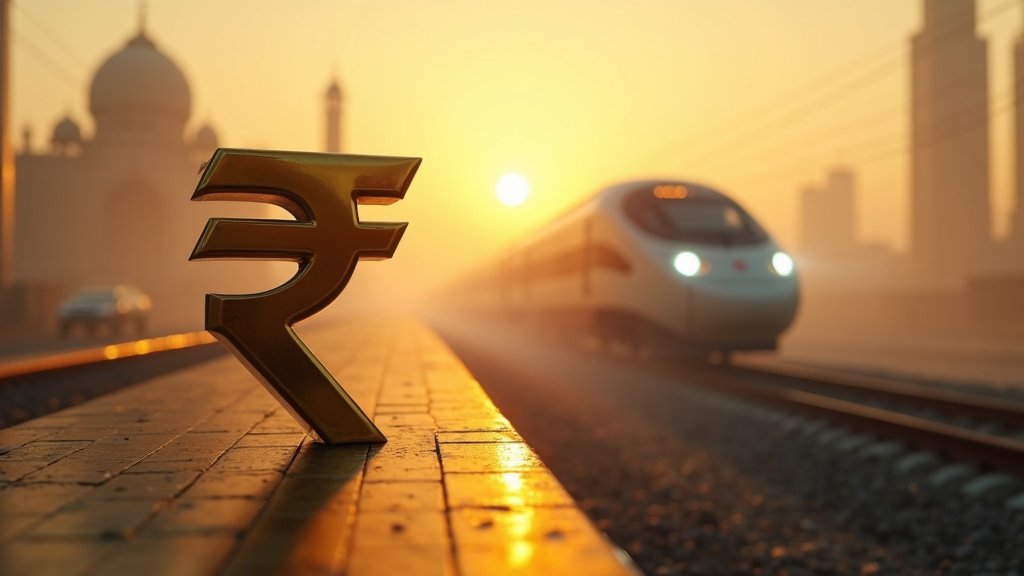
The **India Economy** has reached a significant economic milestone, solidifying its position as the world‘s fourth-largest economy. With a Gross Domestic Product (GDP) of approximately $4.19 trillion, the **India Economy** recently surpassed Japan in economic size, a remarkable **India economic milestone**. Experts predict the **India Economy** will climb even higher, potentially becoming the third-largest economy by 2027 or 2028. This robust **India economic growth** is fueled by strong domestic consumption, significant government spending, and expanding exports. Infrastructure development is a major driver, with both the manufacturing and services sectors experiencing considerable expansion. These factors underscore the dynamic nature of the **India Economy** and its burgeoning global influence.
Understanding the India Economy’s Growth Drivers
The strength of the **India Economy** is largely attributed to several key factors. Strong domestic consumption forms the bedrock of this growth, supported by increasing disposable incomes and a growing middle class. Government spending on infrastructure projects, such as roads, railways, and energy, further stimulates economic activity. The services sector, a powerhouse of the **India Economy**, continues to expand rapidly, contributing significantly to GDP. The manufacturing sector is also seeing renewed focus, with initiatives aimed at boosting production and exports.
Navigating Challenges in the India Economy
Despite impressive economic progress, the **India Economy** must also contend with seasonal challenges. Recent winter weather events have caused significant travel disruptions, particularly in northern India. Dense fog and severe cold conditions have led to widespread **aviation disruptions India**, with numerous flight cancellations and delays at major airports like Delhi’s Indira Gandhi International Airport. These **winter travel chaos** events highlight the logistical hurdles faced by the aviation sector annually. Passengers are strongly advised to stay updated on flight statuses during periods of adverse weather.
Indian Railways and Economic Adjustments
In parallel, **Indian Railways fares** have seen an adjustment aimed at enhancing financial sustainability and operational efficiency within the **India Economy**. Effective December 26, 2025, long-distance travel fares will increase. Specifically, ordinary class journeys exceeding 215 km will see a hike of 1 paisa per kilometer, while Mail and Express trains (both non-AC and AC classes) will experience a 2 paise per kilometer increase. This anticipated **rail fare increase** is projected to generate approximately ₹600 crore in additional revenue, intended to cover rising manpower and operational costs. Importantly, fares for suburban services and monthly season tickets remain unaffected, ensuring minimal impact on daily commuters. This adjustment is a strategic move for the **India Economy** to balance service improvement with financial prudence.
The Future Outlook for the India Economy
These multifaceted developments—from the achievements in **India economic growth** to the management of seasonal disruptions and transport costs—collectively paint a picture of a dynamic and evolving **India Economy**. The nation’s ascent to become the **fourth-largest economy** is a testament to its resilience and potential. As the **India Economy** continues its upward trajectory, it simultaneously navigates the inherent complexities of a developing nation. The world watches the continued progress and adaptability of the **India Economy**.