
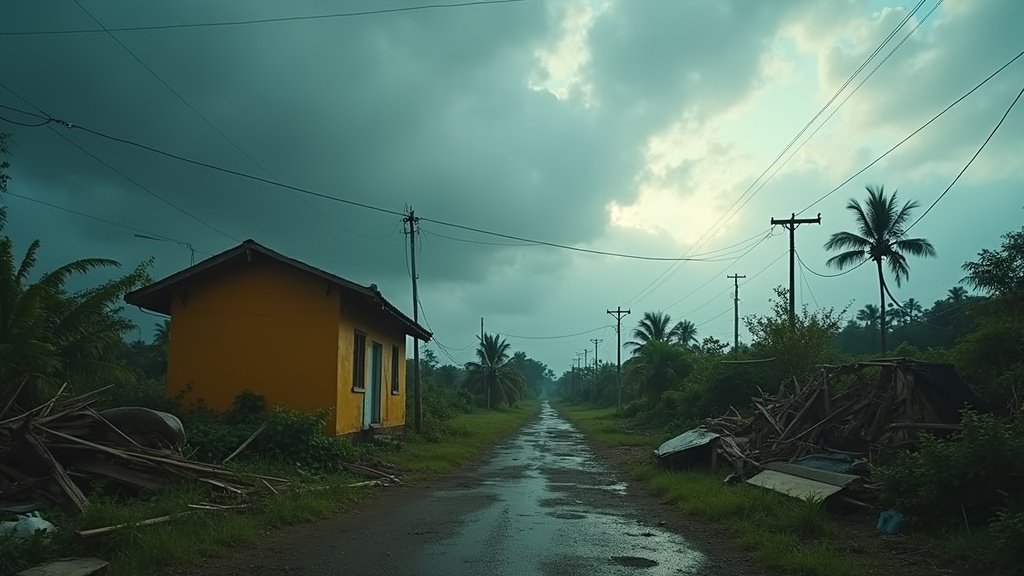
The devastating impact of Hurricane Melissa in Jamaica has starkly illuminated the nation’s deep-seated challenges, with the Hurricane Melissa aftermath revealing critical issues demanding urgent attention for Jamaica hurricane recovery. These problems demand urgent attention for the nation’s recovery. Jamaica faces significant governance gaps. Environmental damage Jamaica, exacerbated by the effects of Hurricane Melissa Jamaica, worsens damage. Weak Jamaica infrastructure risks amplify climate risks. A path to true resilience requires systemic change in the wake of Hurricane Melissa Jamaica.
Jamaica Hurricane Melissa: Governance Deficiencies Exposed
Hurricane Melissa’s destructive path highlighted major governance weaknesses. Local governments often lack adequate resources. They struggle to enforce vital regulations concerning construction. Building codes are frequently ignored, contributing to the Hurricane Melissa Jamaica damage. Many structures are built in unsafe zones, increasing vulnerability. The Office of Disaster Preparedness and Emergency Management (ODPEM) has faced scrutiny regarding its response to Hurricane Melissa. Its response speed has been questioned. Centralized decision-making also raises concerns, potentially hindering effective disaster response in the face of events like Hurricane Melissa Jamaica.
Jamaica Hurricane Melissa: Environmental Mismanagement Amplifies Damage
Deforestation significantly impacts Jamaica, a factor that worsened the effects of Hurricane Melissa Jamaica. Bauxite mining is a major cause, clearing vast forest areas. This loss fuels soil erosion, which in turn intensifies hurricane damage and flooding. Agriculture and tourism also contribute to environmental degradation, particularly in watersheds. This leads to the drying of rivers and streams. Mining pollutes groundwater and damages natural coastal defenses, increasing vulnerability to storms like Hurricane Melissa Jamaica.
Jamaica Hurricane Melissa: Weak Infrastructure and Climate Change Risks
Jamaica is highly susceptible to climate change, making events like Hurricane Melissa particularly damaging. Hurricanes are becoming more severe, and rising sea levels threaten coastal areas. Much of the population lives near the sea, and coastal erosion is a growing problem that endangers vital infrastructure. Tourism faces significant risks. Weak building codes and poor enforcement, issues laid bare by Hurricane Melissa Jamaica, worsen these risks. Informal settlements, often lacking durable structures, suffer heavily during disasters, a stark reality demonstrated by Hurricane Melissa Jamaica.
The Urgent Need for Systemic Reform Following Hurricane Melissa
Immediate aid is insufficient for a true recovery from the impact of Hurricane Melissa Jamaica. Jamaica needs fundamental reforms to address the issues exposed by Jamaica governance gaps and the Hurricane Melissa aftermath. Procurement processes must be improved for greater efficiency and transparency. Delays in payments hinder crucial reconstruction projects. Public sector practices need strengthening to improve resilience. International aid must be leveraged to support long-term resilience building, especially in light of Hurricane Melissa Jamaica. Addressing social inequalities is also crucial, as poor communities are disproportionately affected by disasters like Hurricane Melissa Jamaica.
A Path Forward Post-Hurricane Melissa Jamaica
Jamaica has secured substantial international funding to aid reconstruction efforts following Hurricane Melissa Jamaica. Billions of dollars will help rebuild. This presents a critical opportunity to reconstruct stronger and enhance national resilience. However, true recovery necessitates tackling root problems, including the enforcement of building codes and better environmental stewardship. Stronger governance is essential to mitigate future Hurricane Melissa Jamaica events. Proactive measures must replace reactive ones. Building back better means addressing long-term Jamaica environmental issues and Jamaica infrastructure risks to secure Jamaica’s future and protect every community.